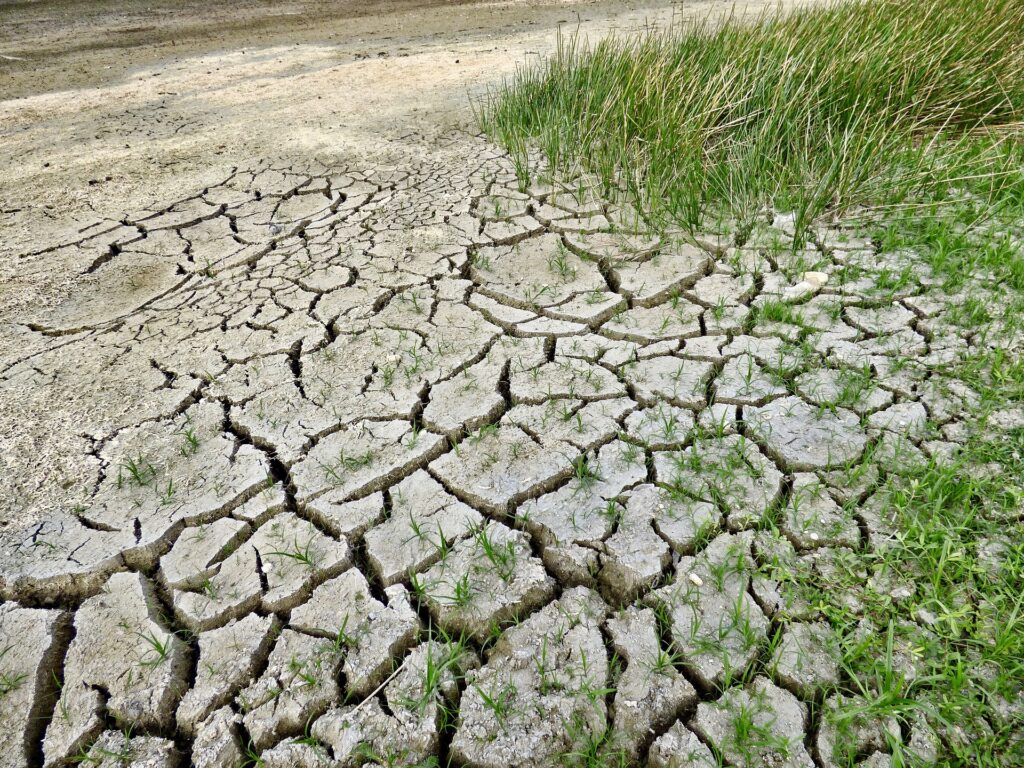
This summer sent a stark message that climate change is not a future problem. It is already affecting the quality and quantity of the water we all rely on. Intense heat, prolonged drought and water shortages affected large parts of Europe, with major rivers reaching exceptionally low levels and pressure growing on agriculture, ecosystems, industry and water supplies. Nobody, nowhere, can afford to take water for granted.
The lesson from 2026 is straightforward: Europe needs to protect its water resources better, both in terms of quantity and quality.
The EU’s Water Resilience Strategy (WRS) gives us a framework for doing this. It recognises that a resilient water system depends on restoring and protecting the water cycle, reducing pollution at source and using water more efficiently. The Water Framework Directive must remain a strong foundation and the WRS rightly calls for a better implementation. Revising the directive now, as the Commission has pledged to do, would risk weakening Europe’s water resilience and sow uncertainty at a time when water resources need protection more than ever. Furthermore, pollution from PFAS and other persistent chemicals must be stopped at source rather than leaving water consumers to pay for increasingly complex treatment.
At the same time, Europe is rapidly expanding new activities that can put pressure on water and energy resources, including data centres supporting AI and digitalisation. These developments cannot happen in a policy vacuum. Water must be considered alongside energy, land and digital infrastructure when decisions are made about where and how new capacity is developed. Local water availability matters. Protecting drinking water supplies and ecosystems must come first.
We all need to make better choices.
Europe cannot build a water-resilient future while treating water as an unlimited resource. Decisions about where and how we use our water need to take account of local conditions, environmental pressures and competing needs. Water efficiency, reuse where appropriate, transparency about consumption and smarter technologies must become part of the equation.
The challenge is ultimately one of balance. Europe needs innovation, competitiveness and digital infrastructure – none of which can be achieved without water resilience – but Europe also needs sufficient, clean and affordable water for people, nature, food production and essential services.
This summer has shown what happens when water is under pressure. The question now is whether Europe is prepared to act before the next drought makes the consequences even harder to ignore.
Water is finite. Climate change is here. Protecting our water resources must become a central part of how Europe plans its future.